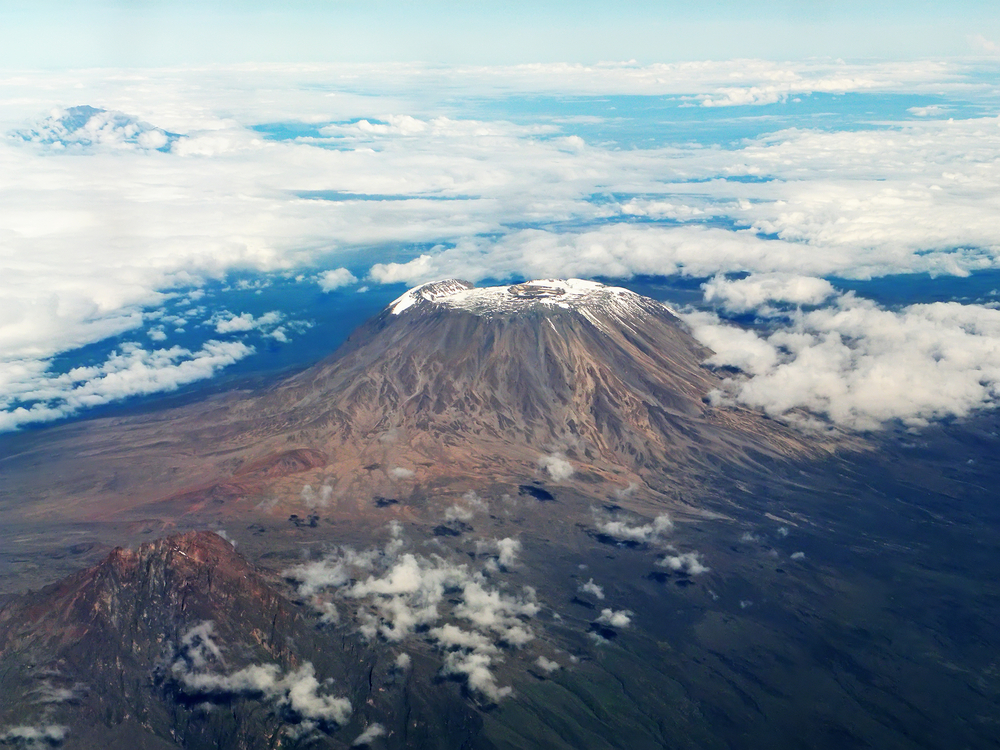
At 5,895 meters (19,341 feet), Uhuru Peak sits in the 'extreme altitude' category. At this elevation, the atmospheric pressure is roughly half of what it is at sea level, meaning each breath you take contains 50% fewer oxygen molecules.
To reach the summit successfully, your body must undergo complex physiological changes to adapt. This process is called acclimatization. Here is the science behind how it works, and how you can help your body succeed.
How the Body Adapts to Altitude
When you ascend, your kidneys release a hormone called erythropoietin (EPO), which stimulates your bone marrow to produce more red blood cells. These cells carry oxygen to your muscles and brain.
Other adaptations include:
- Hyperventilation: Your breathing rate increases naturally to bring in more oxygen.
- Heart Rate Changes: Your resting heart rate rises to pump blood more rapidly.
- Capillary Expansion: Blood vessels expand to improve circulation to vital organs.
The Golden Rules of Acclimatization
1. Pole Pole (Slowly, Slowly)
The most important rule on Kilimanjaro. Walking slowly keeps your heart rate stable, conserves energy, and gives your body the time it needs to adapt. If you are walking fast enough to get out of breath on the trail, you are going too fast!
2. Climb High, Sleep Low
A classic mountaineering strategy. On routes like Lemosho and Machame, you will trek up to high altitudes during the day (e.g., Lava Tower at 4,630m) and then descend to sleep at a lower altitude (e.g., Barranco Camp at 3,970m). This exposes your body to altitude pressure to trigger adaptation, but lets you recover in a richer oxygen zone overnight.
3. Hydrate Constantly
High altitude causes rapid dehydration through breathing dry air and increased urination. Aim to drink 4 to 5 liters of water daily. Adding electrolyte tablets can help maintain salt balance.
4. Fuel Your Body
You burn up to three times more calories at high altitudes than at sea level. Even if altitude diminishes your appetite, force yourself to eat the hot, high-carbohydrate meals prepared by our mountain chefs.
Related Articles
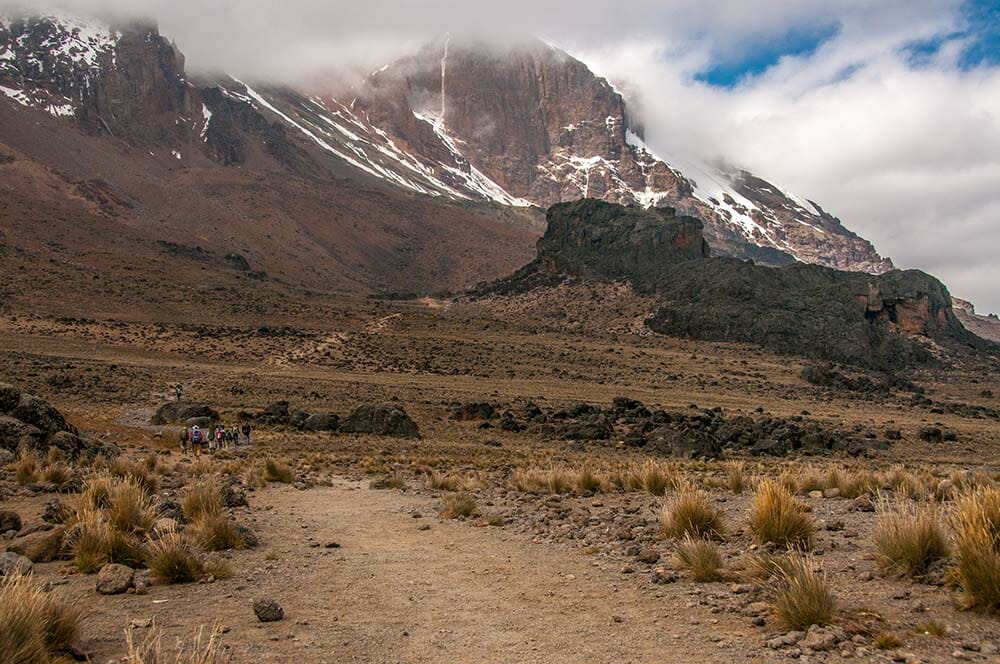
Lemosho vs. Machame: Choosing Your Perfect Kilimanjaro Route
Comparing scenery, altitude profiles, success rates, and crowds on Kilimanjaro's two premier climbing routes.
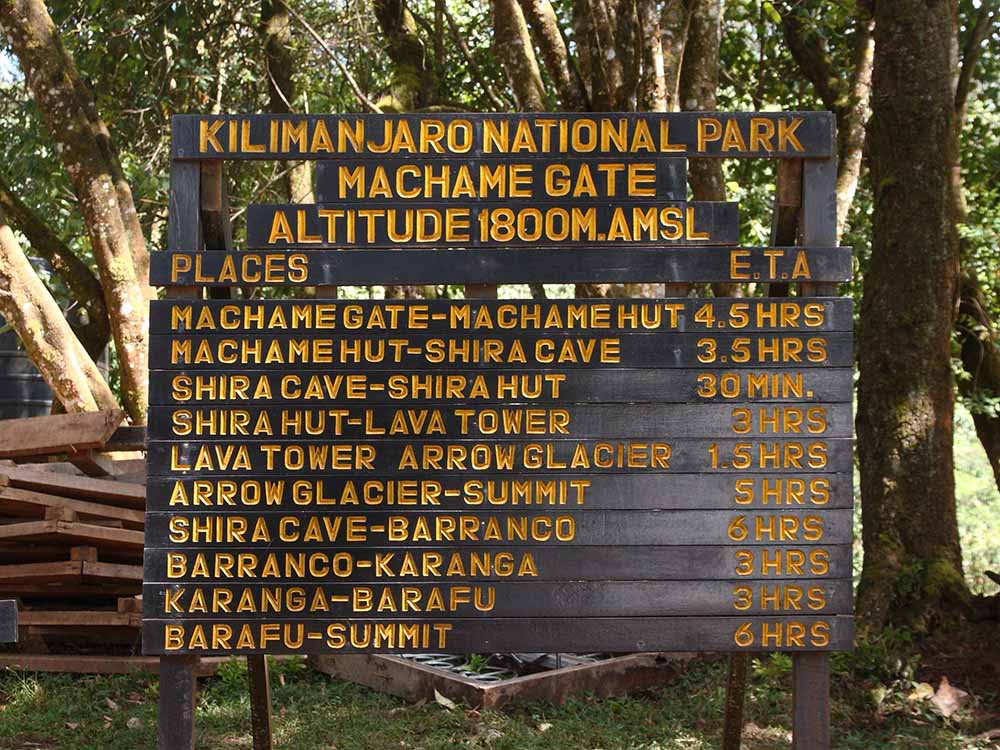
Conquering the Barranco Wall: Kilimanjaro's Most Thrilling Scramble
Is the infamous Barranco Wall as scary as it sounds? Discover what it really takes to scale this iconic ridge.
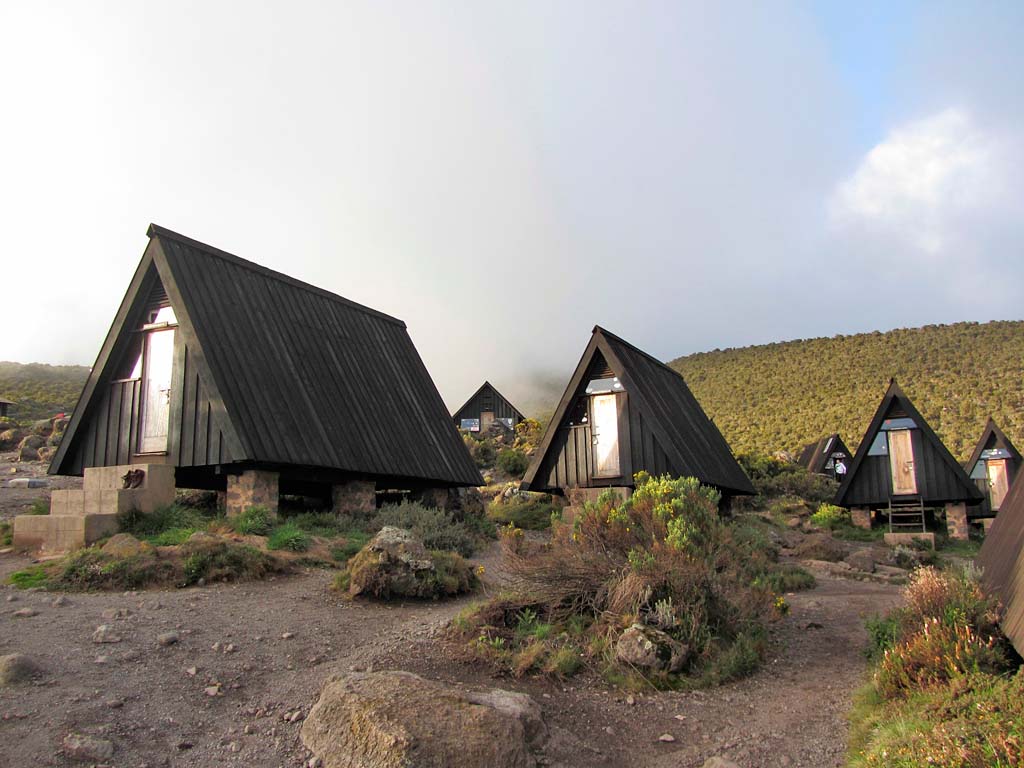
What Does a Day on Kilimanjaro Look Like? Camp Life Revealed
From hot morning ginger tea served at your tent flap to gourmet mess-tent dinners under starlit African skies.
Ready to see it for yourself?
Our experts can turn these stories into your reality. Let's plan your custom Tanzanian adventure today.
Request a Quote